
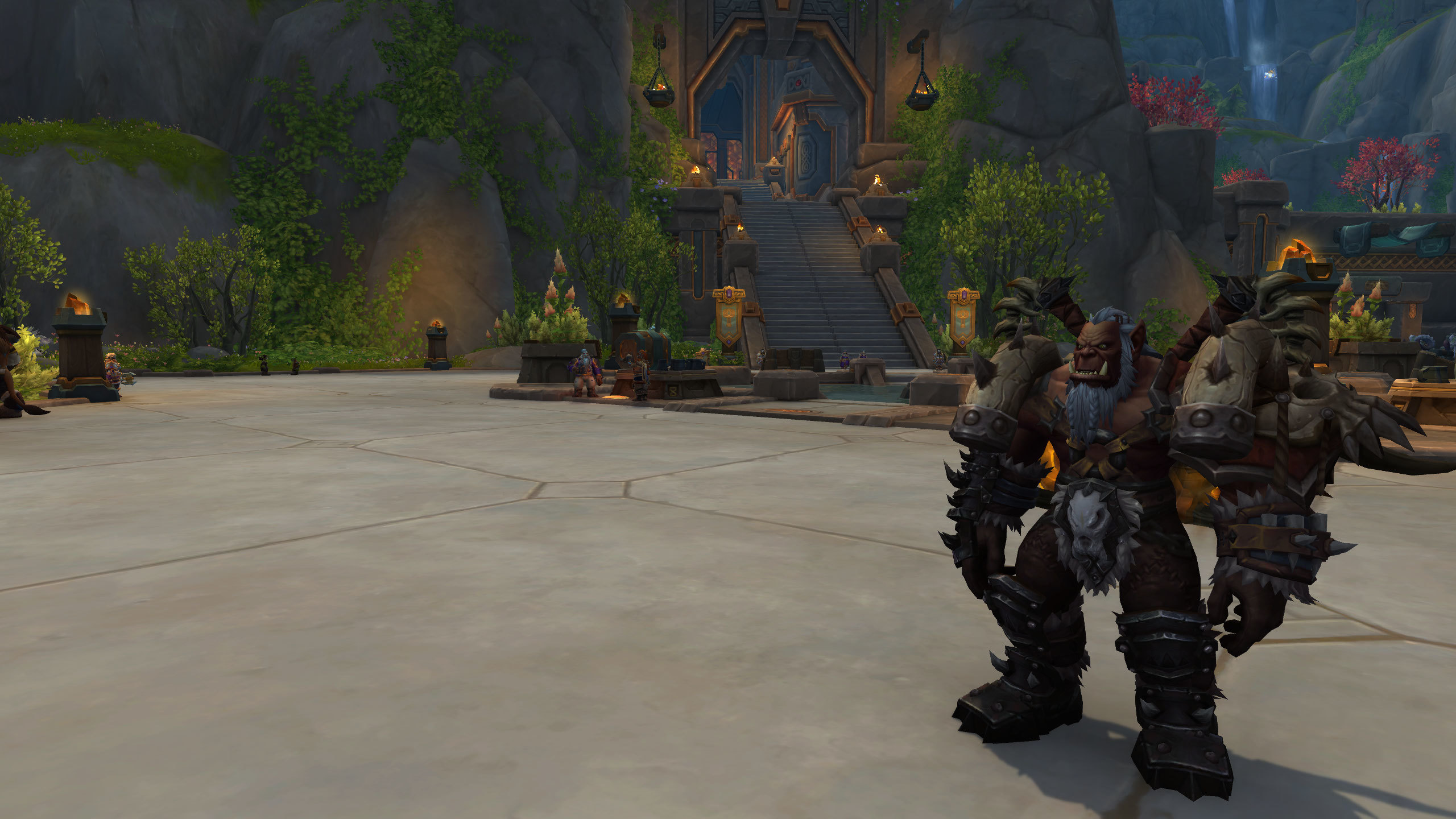
World of Warcraft is known for its sprawling narratives, filled with epic heroes and equally formidable villains. But it’s the game’s most tragic villains — those whose stories are shaped by loss, power, and the search for redemption — that leave the deepest impact on players.
These characters are more than just antagonists; they are complex figures whose pain, ambition, and eventual quests for redemption resonate deeply with players. In this article, we delve into how some of WoW’s most tragic villains evolved into powerful symbols of pain, power, and the possibility of redemption.
The Duality of Tragic Villains
What makes WoW’s most tragic villains stand out is their internal struggle. They are not evil for the sake of evil; their motivations are rooted in pain, loss, or misguided ideals. Villains like Arthas Menethil, Illidan Stormrage, and Sylvanas Windrunner are examples of characters who, over time, have become symbols of the fine line between power and tragedy. Each of these figures was shaped by their past, and their actions, while destructive, often stem from a place of deep personal suffering or unfulfilled potential.
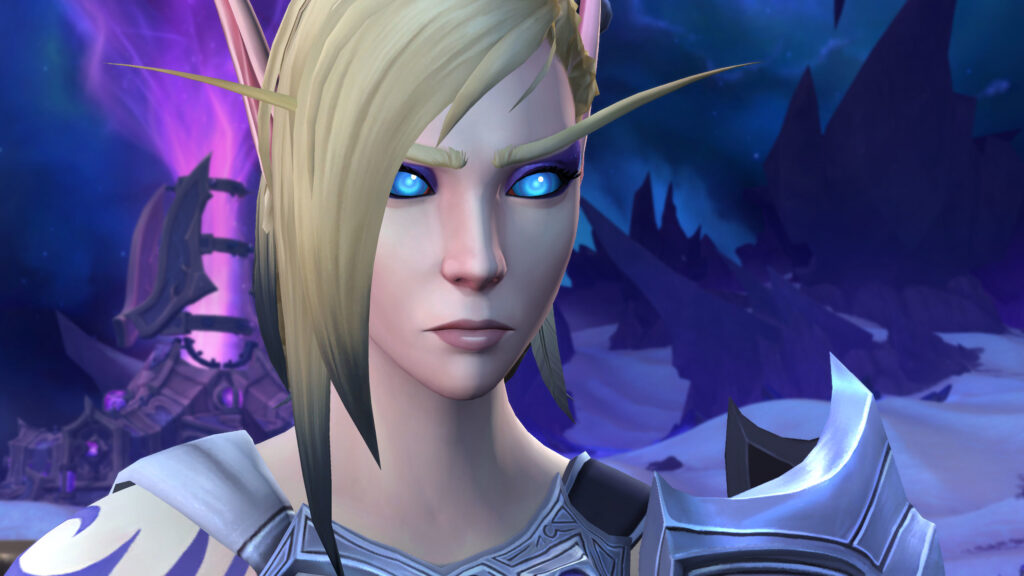
Their stories allow players to empathize with their pain, even as they oppose their actions. This duality makes them some of the most compelling and memorable figures in WoW’s history.
- Arthas Menethil: A prince whose quest for salvation led him to the Scourge, forever shaping his tragic destiny.
- Illidan Stormrage: A tortured anti-hero whose pursuit of power was driven by a desire to protect his people at any cost.
- Sylvanas Windrunner: A former hero turned villain, whose transformation is marked by grief, betrayal, and a thirst for vengeance.
The Power Behind Their Tragedy
The power these characters wield often comes as a direct result of their tragic experiences. For Arthas, his fall to the Lich King was catalyzed by his desire to save his people from a plague that ultimately claimed his own soul. Illidan, forever torn between his thirst for power and his self-sacrifice, was forced to make choices that alienated him from his kin. Sylvanas, after her death at the hands of the Lich King, became a leader driven by a desire to reclaim her lost humanity, even as her actions grew more ruthless.
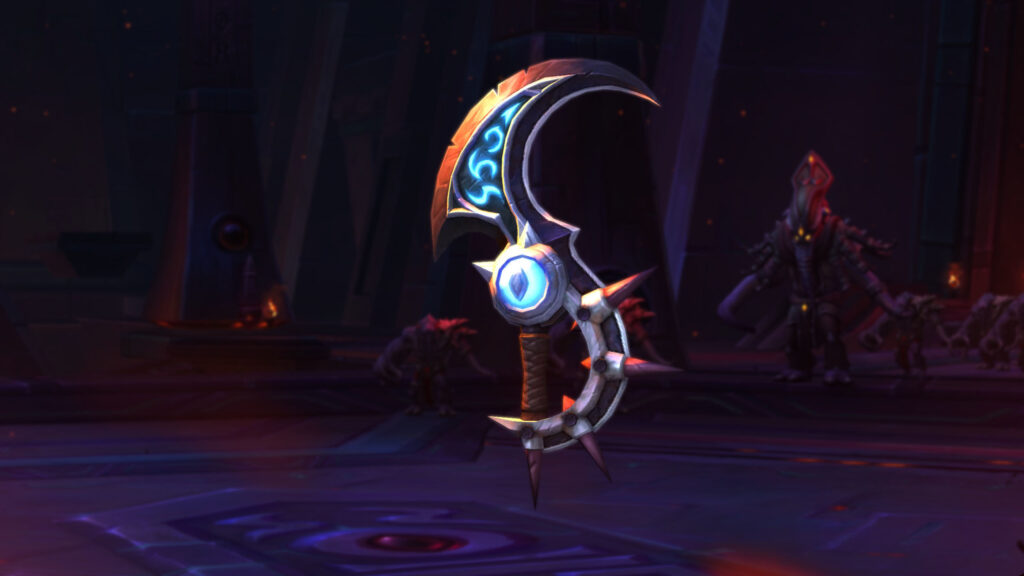
Each of these characters exemplifies the idea that power, when sought for the wrong reasons or driven by unresolved pain, can ultimately lead to their undoing. Their tragic flaws make them both powerful and deeply human, which is why they resonate with players on such an emotional level.
The Search for Redemption
Redemption is a central theme for many of WoW’s tragic villains. Arthas, Illidan, and Sylvanas all experience moments of clarity in their journey — moments where they question their actions or reflect on their past. These moments of doubt highlight the potential for redemption, even as the characters struggle with the damage they’ve caused. Arthas’ final moments, Illidan’s choices during his time in Outland, and Sylvanas’ internal conflict in the Shadowlands all show that even the most tragic villains are capable of self-reflection.
The idea of redemption is what makes these characters’ stories so powerful. They remind players that even the darkest paths have the potential for change, and that their pasts do not have to define their futures — a theme that strikes a chord with anyone who has ever experienced loss or regret.
- Arthas’ Last Stand: His tragic downfall and eventual death showed the high price of ambition and misguided loyalty.
- Illidan’s Sacrifice: A misunderstood hero who ultimately gave his life in a bid to protect Azeroth, offering a final act of redemption.
- Sylvanas’ Inner Struggle: Torn between vengeance and redemption, her journey highlights the complexities of morality and the cost of leadership.
The Legacy of Tragic Villains in WoW
The legacy of WoW’s most tragic villains extends beyond their actions. They serve as symbols of the human condition, embodying themes of pain, ambition, and the desire for redemption. Their stories are not just about villainy, but about the consequences of unresolved grief, the corrupting nature of power, and the possibility of change. These characters challenge players to question what makes someone a villain — is it their actions, or the pain and loss that drive them?
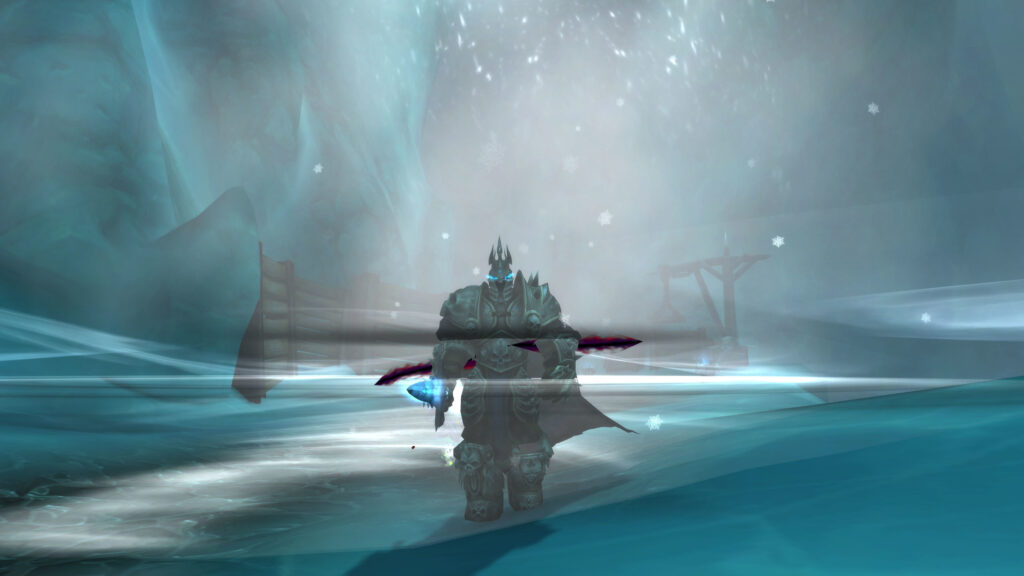
Ultimately, WoW’s tragic villains are more than just antagonists. They are characters whose journeys parallel the struggles of the players themselves, and their stories continue to impact Azeroth’s world, long after their arcs have been completed.
Conclusion
World of Warcraft’s most tragic villains are some of the most enduring figures in the game. They are not simply evil for the sake of evil; they are complex characters whose pain and pursuit of power shaped their actions.
Through their journeys, players are reminded that even the darkest paths can be filled with moments of humanity and the possibility of redemption. These characters are symbols of the eternal struggle between light and dark, power and sacrifice, and redemption and damnation. They are not just villains — they are reflections of the very heart of Warcraft’s storytelling.